Begin with one high-value scenario; AI recommends actions, while people confirm key decisions.
The real gap is not whether a factory has systems.
It is whether data can actively support management and help solve problems before losses happen.
A Factory Intelligence System That Keeps Evolving
Upgrade data from recording the past to guiding the next step.
Connect, judge, coordinate, and learn to form a complete action loop.
01Connect
Link systems with shop-floor data
→
02Predict
Identify anomalies and operating risks
→
03Coordinate
Let multiple agents compare possible actions
→
04Improve
Learn continuously from every result
Proactive Prediction
Act before losses happen
Predict impact and recommend action.
Multi-Agent Coordination
Solve cross-functional problems
Bring different perspectives to one decision.
Continuous Learning
The more it runs, the better it understands your factory
Build knowledge that belongs to the factory.
The Daily Reality
After a problem occurs, every minute becomes production cost.
Systems record outcomes, but rarely push problems toward resolution early enough.
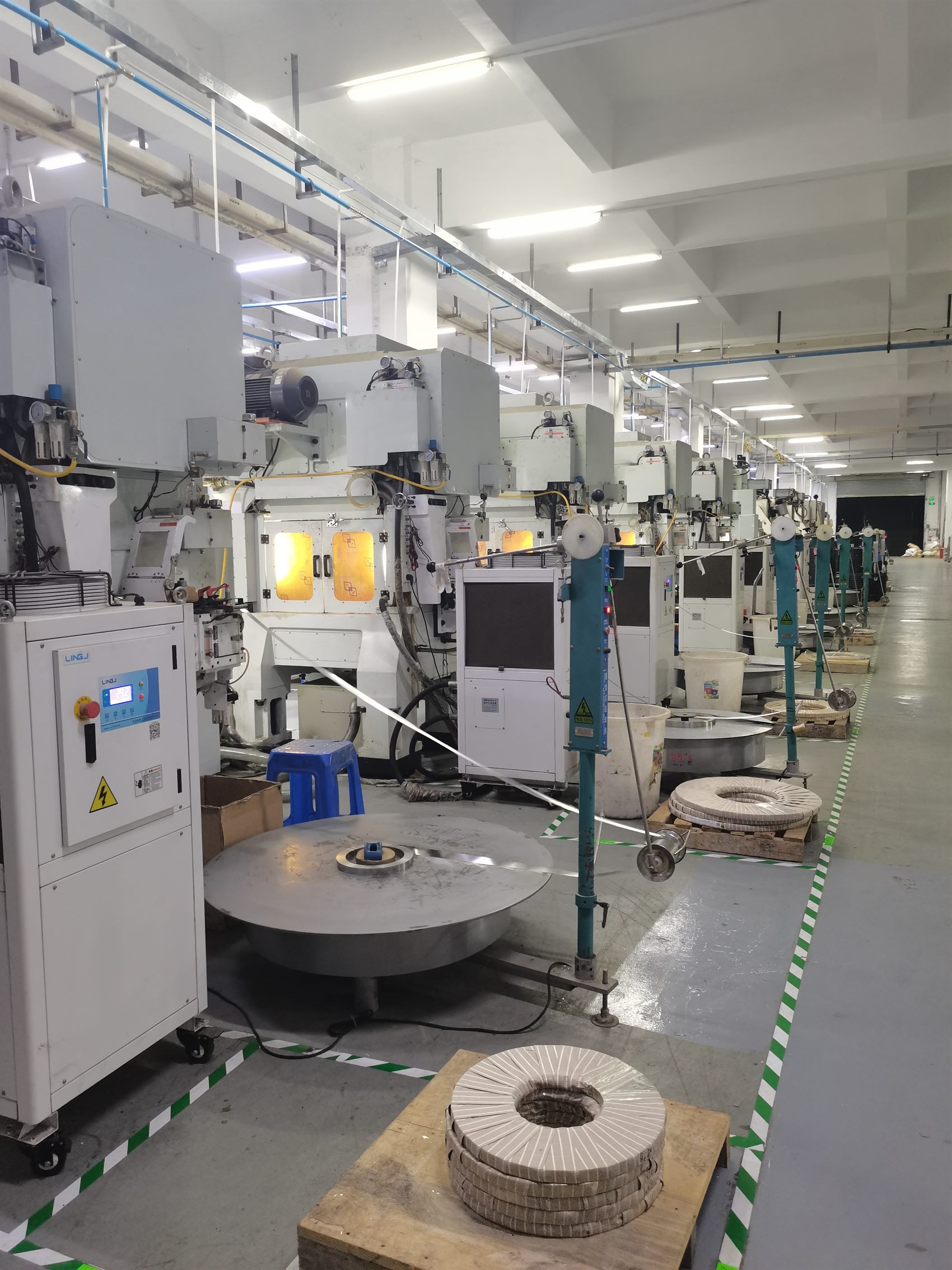
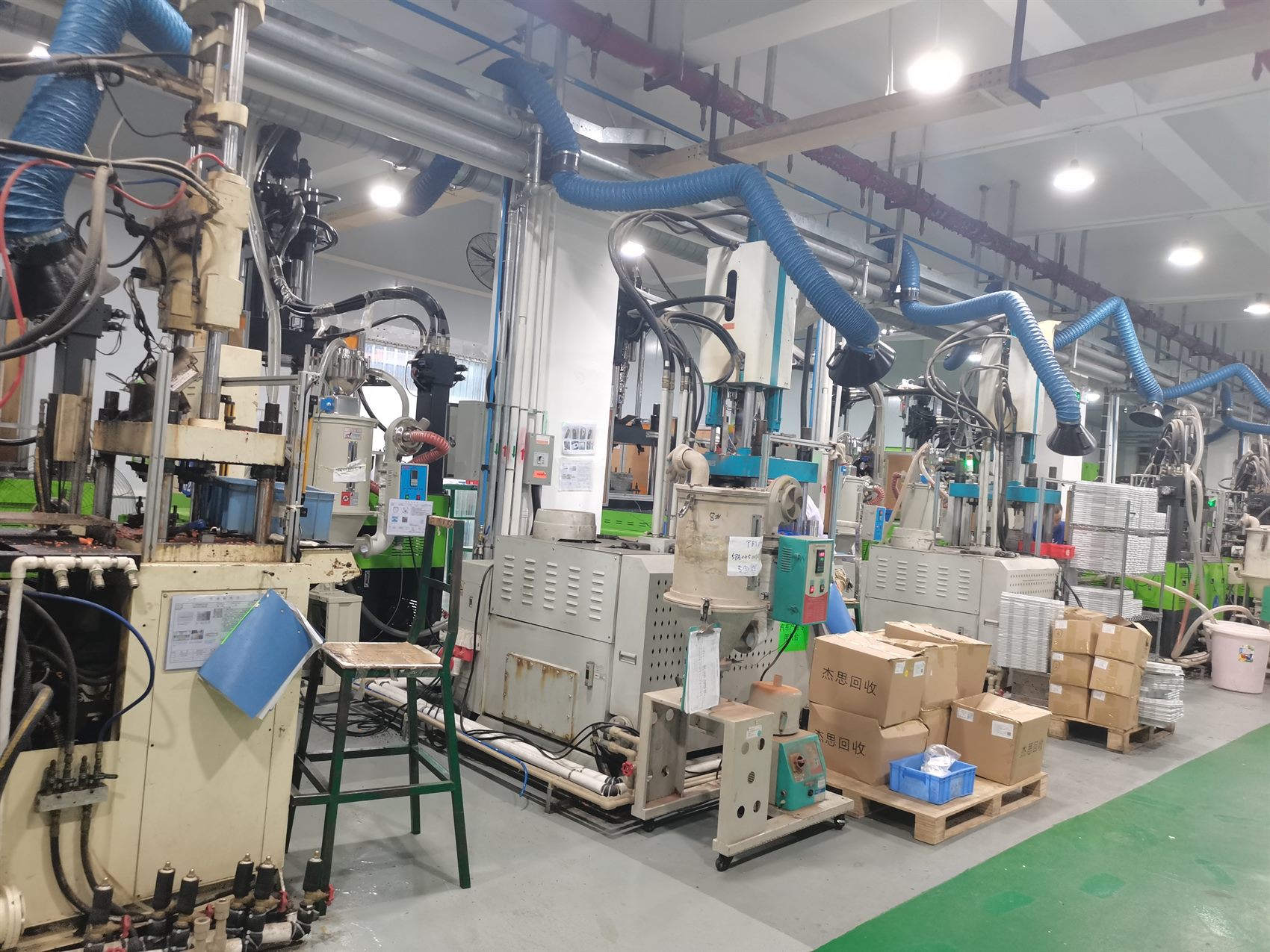
EquipmentDetect anomalies before downtimeQualityFind causes without meeting-room guessworkCoordinationAssess order changes across the whole factory
Continuous LearningTurn expert know-how, historical cases, and improvement results into capabilities the factory does not lose.
Free · See results without leaving contact details
What should your factory solve first?
Answer three questions to get an initial diagnosis and a shop-floor simulation. Results help identify a pilot direction and do not replace an on-site assessment.
01 Choose the most urgent issue
No name, phone number, or company information is required. Selections are calculated only on this page.
82/ 100
Priority PilotAI Opportunity Index
Recommended First Project
Equipment Risk Prediction Agent
Continuously analyzes equipment status, alarms, and downtime records to surface risks, causes, and inspection suggestions before production is affected.
Connect first
PLC / Alarm records / Maintenance records
Measure first
Unplanned downtime, MTBF, maintenance response time
Pilot timeline
4-8 weeks recommended for value validation
Simulated Data DemoEquipment Risk Prediction Agent is working
Machine 3Running
Current 42.1 AVibration 2.4 mm/sTemperature 58.2 °C
01
Monitor Data
Waiting for agents to start analysis
02
Assess Impact
Link orders, capacity, and past failures
03
Coordinate Agents
Generate maintenance windows and adjustment options
04
Close the Loop
Assign owners and capture handling experience
AI RecommendationClick “Watch Simulation” to see how a problem can be solved earlier.
The demo does not read or upload any of your factory data.
What does the free diagnosis include?
Web diagnosis: freeInstantly identify priority scenarios, data readiness, and success metrics without leaving contact details.
30-minute expert review: freeIf you want to continue, review the issue and pilot scope with an advisor. No forced purchase.
On-site assessment and implementation: quoted separatelyWhen interviews, system integration, or custom development are needed, the scope is defined before pricing.
A Complete Working Logic
AI Should Not Only Answer. It Should Help Move Problems to Resolution.
Detect, simulate, execute, and learn.
Detect
Equipment shows an abnormal trend
Compared with historical failure patterns.
Simulate
Assess order and capacity impact
Calculate alternative handling plans.
Coordinate
Generate the lowest-impact plan
Send owners and action suggestions.
Learn
Results enter the company knowledge base
Next time, decisions are faster and more accurate.
The Real Need Is Not AI Itself
It Is Less Loss, Faster Decisions, and More Reliable Delivery.
Less Downtime
Turn sudden failures into planned maintenance
Less Rework
Find factors behind quality issues faster
Reliable Delivery
Identify order, material, and capacity conflicts earlier
Stable Know-how
Keep key knowledge from staying only in people's heads
Faster Decisions
Help managers spend less time finding data and more time deciding
Actual gains depend on factory baseline data and pilot results. We do not promise universal improvement percentages without field validation.
Is Existing Data Truly Participating in Management?
This Is Not Another System Replacement. It Helps Existing Data Start Managing.
Many factories already have ERP, MES, PLC, reports, and equipment data. What they often lack is the ability to connect that data into judgment, warnings, coordination, and review.
Shop-floor ContextStart from the real relationships between equipment, process, orders, and quality.
01Connectable
Keep ERP, MES, PLC, and reports; connect the highest-value data first.
02Context-Aware
Put equipment, quality, delivery, and expertise into one problem view.
03Actionable
Coordinate multiple agents to generate owners, timing, and closed-loop outcomes.
04Learnable
Turn each exception, improvement, and lesson into company knowledge.
RFT and Agent-Based Transformation
We Turn Manufacturing Understanding Into Practical AI Agent Capability.
Shenzhen RFT Electronics Co., Ltd. was founded in 2016. The team has long served customers in electronics manufacturing, automotive, new energy, and industrial automation, with hands-on understanding of quality, efficiency, delivery, equipment, and expertise challenges in growing factories.
For the next manufacturing cycle, RFT focuses less on a single product and more on helping production companies use existing systems and shop-floor data: AI agents detect issues, predict risks, coordinate teams, preserve know-how, and build management capability that keeps improving.
2016Founded in Shenzhen10+ yearsElectronics manufacturing experienceMulti-sectorAutomotive, new energy, industrial automation, medical, and IoT
Low-Risk Implementation
No Rip-and-Replace. Start With One Problem and Close One Loop.
Prove value first, then expand gradually.
Step 1On-site Diagnosis
Find the problem most worth solving.
Step 2Focused Pilot
Choose one line or one scenario.
Step 3Closed-Loop Validation
Validate value with real metrics.
Step 4Scale Up
Move from one scenario to multiple agents.
Start With the Problem, Not the System
Tell us what your factory is forced to firefight every day.
Start with one real problem. No complicated preparation is needed.